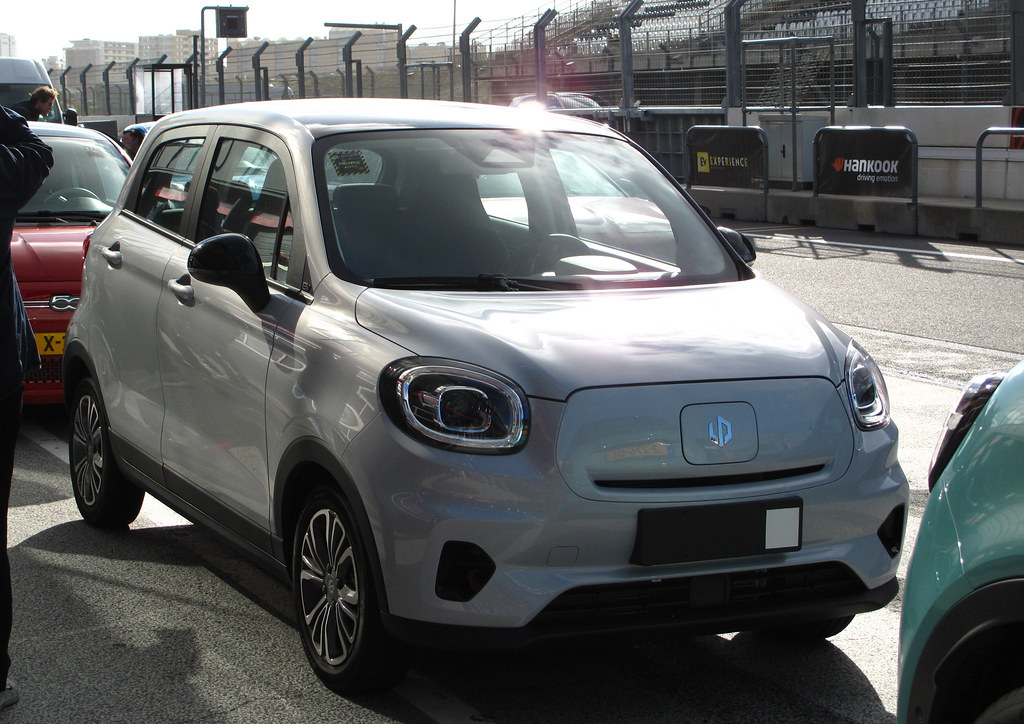
Leapmotor car launch has been announced for 2027, promising a revolutionary design that eliminates the need for an auxiliary battery.
What is Leapmotor’s new car?
Leapmotor is set to revolutionize the automotive industry with its upcoming car launch in 2027. This innovative vehicle is designed to operate without an auxiliary battery, a feature that sets it apart from traditional electric cars. The absence of an auxiliary battery could lead to significant improvements in efficiency and sustainability.
The new model is expected to incorporate advanced technology and cutting-edge design, appealing to environmentally conscious consumers. Key features of the Leapmotor car include:
- Lightweight materials: Enhancing performance and energy efficiency.
- Smart connectivity: Offering seamless integration with digital devices.
- Autonomous driving capabilities: Pioneering the future of self-driving technology.
With the Leapmotor car launch, the company aims to position itself as a leader in sustainable transportation solutions, paving the way for a greener future in the automotive sector.
The technology behind Leapmotor’s innovation
Leapmotor’s upcoming car launch marks a significant leap in automotive technology, particularly with its innovative approach to energy efficiency. Unlike traditional electric vehicles, this new model operates without an auxiliary battery, a feature that could redefine the standards of sustainability in the industry.
The technology driving this innovation is centered around:
- Advanced energy management: The car utilizes a cutting-edge system that optimizes energy use, maximizing the vehicle’s range and performance.
- Regenerative braking: This feature captures energy during braking, redirecting it to power the vehicle, thus further enhancing efficiency.
- Lightweight materials: By incorporating lightweight components, Leapmotor has reduced the overall weight of the vehicle, contributing to lower energy consumption.
As the Leapmotor car launch approaches in 2027, industry experts are eager to see how these technological advancements will influence the future of electric vehicles and sustainability.
How will the market respond to Leapmotor’s launch?
The anticipation surrounding the Leapmotor car launch has generated significant buzz in the automotive industry. Experts predict varying responses from both consumers and competitors as 2027 approaches.
Many consumers are eager to see how Leapmotor’s innovative design, particularly the absence of an auxiliary battery, will perform in real-world conditions. This could potentially revolutionize electric vehicle standards, prompting other manufacturers to rethink their strategies.
On the other hand, some industry analysts express skepticism. They argue that existing battery technology has proven efficient and reliable. The leap into uncharted territory may raise concerns about safety and performance.
As the launch date nears, market sentiment will likely fluctuate. Key factors influencing this response include:
- Consumer education on the new technology
- Pricing strategies compared to traditional models
- Environmental impact assessments
Ultimately, the Leapmotor car launch could redefine the future of electric vehicles, depending on market acceptance.
What are the benefits of no auxiliary battery?
The upcoming Leapmotor car launch in 2027 promises to revolutionize the electric vehicle market with its innovative design that eliminates the need for an auxiliary battery. This groundbreaking approach brings several significant benefits to consumers and the environment.
- Enhanced Efficiency: By removing the auxiliary battery, the car can operate with a lighter overall weight, leading to improved energy efficiency and extended driving range.
- Lower Maintenance Costs: Fewer components mean reduced maintenance and replacement costs, making ownership more affordable in the long run.
- Environmental Impact: The absence of auxiliary batteries helps decrease the ecological footprint associated with battery production and disposal.
- Streamlined Design: The simplified design allows for more space within the vehicle, enhancing passenger comfort and cargo capacity.
As Leapmotor prepares for its car launch, these benefits position it as a leading contender in the future automotive landscape, potentially setting new standards for innovation in the industry.
Challenges Leapmotor may face in 2027
As Leapmotor gears up for its car launch in 2027, several challenges may impact its success in the competitive automotive market.
One significant hurdle is consumer acceptance. While the innovative design of a car without an auxiliary battery is groundbreaking, potential buyers may be hesitant to embrace this new technology.
Additionally, regulatory hurdles could pose a formidable challenge. Leapmotor must ensure compliance with various safety and environmental standards, which could slow down the launch process.
The company may also face production scalability issues. Meeting the anticipated demand for its new vehicle while maintaining quality standards will require careful planning and execution.
Finally, competition from established automotive brands and new entrants will intensify. Other manufacturers may quickly adapt to Leapmotor’s innovations, making it essential for Leapmotor to stay ahead of the curve.
Addressing these challenges will be crucial for Leapmotor’s car launch to be recognized as a significant innovation in 2027.
Consumer expectations for Leapmotor’s new vehicle
As the Leapmotor car launch approaches, consumer expectations are building significantly. Many potential buyers are excited about the unique features and innovations that Leapmotor promises to deliver with its new vehicle.
Some key aspects that consumers are looking forward to include:
- Enhanced range: With no auxiliary battery, buyers expect the new model to offer improved driving range compared to traditional electric vehicles.
- Cost-effectiveness: Many hope that the innovative design will lead to lower maintenance costs and improved efficiency.
- Advanced technology: Consumers are eager to experience the cutting-edge technology that Leapmotor claims will redefine driving experiences.
- Environmental impact: With a growing focus on sustainability, there is anticipation for how this vehicle will contribute to reducing overall carbon footprints.
As the Leapmotor car launch date nears, the combination of these features could position it as a standout choice in the automotive market of 2027.
Future trends in electric vehicle design
The electric vehicle market is rapidly evolving, with manufacturers increasingly focusing on innovative designs to attract consumers. The Leapmotor car launch represents a pivotal moment in this trend, as it aims to redefine efficiency and sustainability in automotive design.
Future trends in electric vehicle design will likely include:
- Lightweight materials: As manufacturers strive to enhance performance, the use of advanced composites and lightweight metals will become more prevalent.
- Aerodynamic shapes: Improved aerodynamics will not only boost efficiency but also extend range, which is crucial for consumer adoption.
- Smart technology integration: Vehicles will increasingly feature advanced connectivity and automation, allowing for a more seamless driving experience.
- Sustainable manufacturing: A shift toward eco-friendly production processes will be essential as consumers prioritize sustainability.
As the Leapmotor car launch approaches, it will be interesting to see how these trends shape consumer expectations and influence market dynamics.
By Rutger van der Maar via Openverse
Where this came from
Related stories
BMW 3 Series reveal: Is it the best car yet? · Porsche Cayenne Electric: The Best Luxury EV You Need · Micron stock price: Best insights on $1,575 target