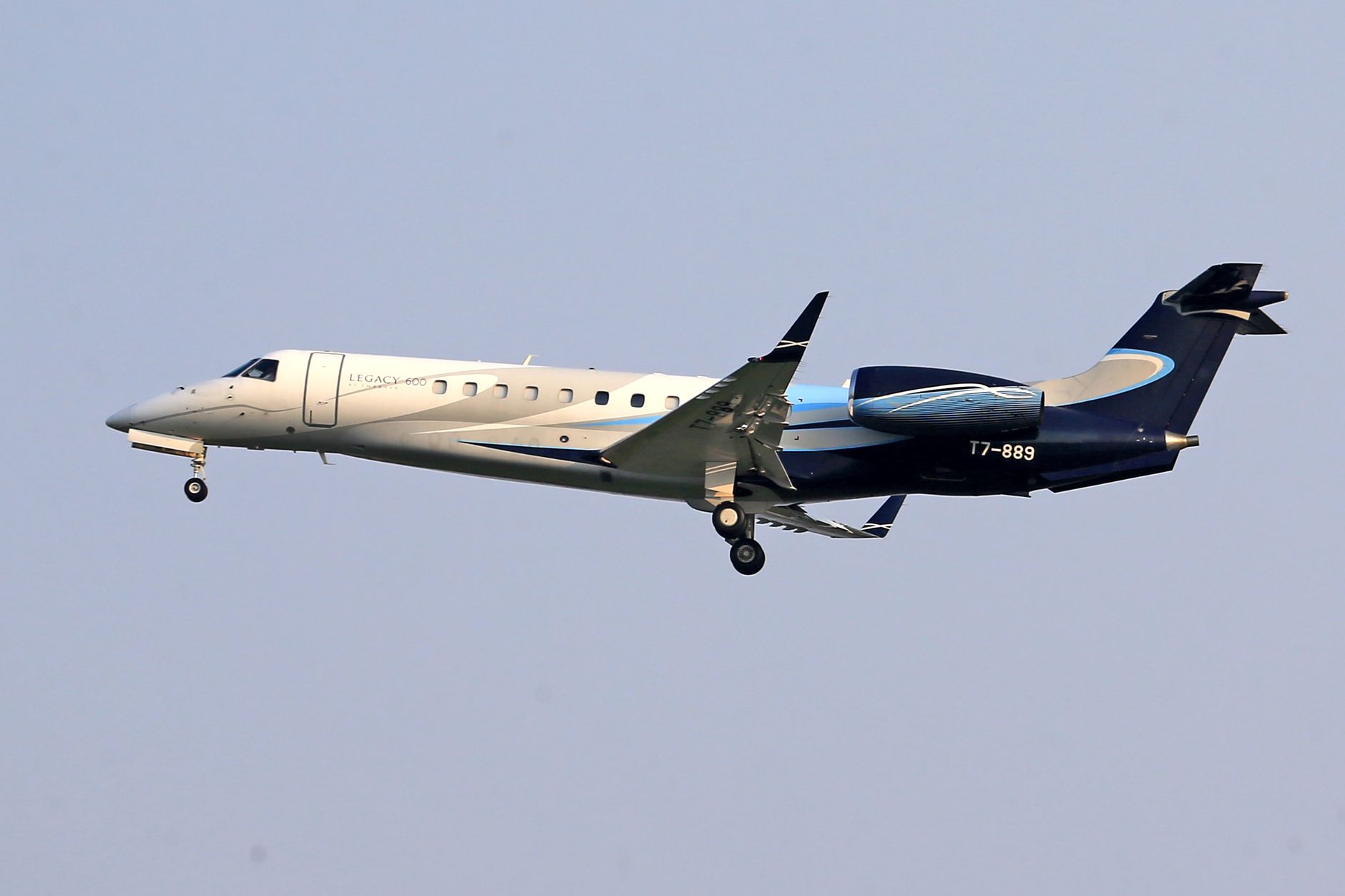
Rand Paul private jet travel has sparked controversy as the senator preaches fiscal restraint while using taxpayer dollars for personal flights.
Overview of Rand Paul’s Travel
In recent news, Senator Rand Paul has come under scrutiny for his travel habits, specifically regarding the use of a private jet funded by taxpayer dollars. Despite his public stance on fiscal responsibility and limited government spending, the contrast between his rhetoric and actions has raised eyebrows among constituents and political analysts alike.
The senator’s use of a private jet has sparked a debate about the appropriateness of such expenditures, particularly when it comes to public officials who advocate for austerity. Critics argue that utilizing taxpayer money for personal comfort undermines the very principles that Paul champions.
Traveling by private jet allows for greater convenience and privacy, but it also comes at a significant cost. The implications of this choice extend beyond monetary expenses, as it raises questions about accountability and transparency in government spending.
As the conversation continues, many are left wondering whether Rand Paul’s private jet usage aligns with his proclaimed values. The ongoing discussions highlight the broader issue of how elected officials should balance their personal needs with the expectations of their constituents.
- Private jet travel raises ethical questions.
- Public perception of fiscal responsibility is at stake.
- Accountability in government spending is crucial.
The Cost of Private Jet Flights
The use of taxpayer dollars for private jet flights has come under scrutiny, particularly in the case of Senator Rand Paul. It raises important questions about the appropriateness of such expenditures, especially when the senator is known for advocating fiscal restraint.
According to reports, the costs associated with these private jet flights can be substantial. The implications of using public funds for luxury travel are significant, as they divert resources that could otherwise support essential public services. The costs of private jet flights can include:
- Fuel expenses that can reach thousands of dollars per trip
- Landing fees and other airport charges that add to the total bill
- Maintenance costs for the aircraft, which are often passed on to taxpayers
Critics argue that such expenditures send a conflicting message about fiscal responsibility. While Rand Paul publicly champions budget cuts and government accountability, the choice to travel by private jet contradicts these principles. This situation exemplifies a broader issue of accountability among public officials and the need for transparency in how taxpayer funds are allocated.
The debate surrounding Rand Paul’s private jet usage continues, prompting calls for a reevaluation of policies governing travel expenses for elected officials.
Public Reaction to the Controversy
The controversy surrounding Rand Paul’s private jet travel has sparked significant public outcry, with many citizens expressing their discontent over the use of taxpayer dollars. Critics argue that such expenditures are hypocritical, especially given Paul’s vocal advocacy for fiscal restraint and limited government spending.
Responses on social media have been particularly intense, with users taking to platforms to voice their opinions. Many have pointed out the disparity between Paul’s political rhetoric and his actions, labeling the situation as a glaring example of government waste. Some comments include:
- “How can Rand Paul preach about cutting spending while flying around in taxpayer-funded jets?”
- “This is a prime example of the elite disconnect from the average American.”
- “If he truly believes in fiscal responsibility, he should lead by example.”
Supporters of Paul, however, argue that such travel is necessary for security and efficiency, especially given his role in the Senate. Nonetheless, the growing sentiment among critics indicates a rising demand for accountability regarding how public funds are utilized.
Fiscal Responsibility in Politics
In recent discussions surrounding the use of taxpayer dollars, the issue of fiscal responsibility in politics has come to the forefront. Rand Paul, known for his advocacy of limited government and fiscal conservatism, has drawn scrutiny for his choice to travel by private jet. Critics argue that this practice contradicts the very principles he champions, raising questions about the ethical implications of using public funds for personal convenience.
When elected officials engage in such expenditures, it sends a mixed message to constituents who expect transparency and accountability in government spending. The perception that Rand Paul’s private jet flights reflect a disconnect from the financial struggles faced by everyday Americans is a concern that cannot be overlooked. Furthermore, it highlights a broader issue within politics where the luxuries of office sometimes overshadow the commitment to responsible governance.
As taxpayers bear the costs associated with such travel, it is essential for politicians to reconsider their spending habits. By prioritizing fiscal responsibility and aligning their actions with their rhetoric, lawmakers can rebuild trust and demonstrate genuine commitment to the principles they espouse.
Comparing Travel Methods
When examining the travel methods utilized by Rand Paul, the contrast between his public advocacy for fiscal restraint and his choice of transport becomes strikingly evident. Critics argue that the use of a private jet funded by taxpayer dollars contradicts his message of financial prudence.
There are several travel options available for public officials, each with varying costs and implications. These include:
- Commercial Flights: Generally more affordable and accessible, commercial flights offer a transparent alternative that aligns with the principles of accountability.
- Chartered Flights: While still costly, chartered flights can sometimes be justified for urgent travel needs, though they often raise questions about necessity.
- Driving: For shorter distances, driving is a cost-effective way to travel that minimizes expenses associated with air travel.
Despite the availability of these alternatives, Rand Paul’s decision to opt for a private jet has sparked controversy, leading many to question whether his actions reflect a genuine commitment to fiscal responsibility or merely a convenient choice that prioritizes comfort over cost-effectiveness.
Implications for Future Policy
The controversy surrounding Rand Paul’s private jet usage raises significant implications for future policy regarding taxpayer-funded travel. As lawmakers are increasingly scrutinized for their spending habits, Paul’s actions could serve as a cautionary tale for others in office. The irony of advocating for fiscal restraint while utilizing private jets at taxpayer expense may lead to a broader reevaluation of how public figures should allocate resources.
Moreover, this situation prompts questions about the transparency and accountability of governmental travel expenses. If politicians like Paul can access private jets funded by taxpayers, it could set a precedent that normalizes extravagant spending among elected officials. This potential trend may undermine public trust and confidence in government, leading to calls for stricter regulations on travel reimbursements and expenditures.
In light of these developments, it is crucial for policymakers to consider the long-term effects of their travel choices. By prioritizing responsible spending and demonstrating commitment to public funds, elected officials can help restore faith in their leadership. Ultimately, the Rand Paul private jet controversy could catalyze a movement towards greater fiscal responsibility and accountability in political travel practices.
Conclusion on Taxpayer Spending
In conclusion, the controversy surrounding Rand Paul’s private jet usage highlights a significant disconnect between the senator’s public advocacy for fiscal responsibility and his personal travel choices. Many constituents express frustration over the apparent hypocrisy of using taxpayer dollars for private flights while critiquing government spending. This situation raises essential questions about the ethical implications of such expenditures, particularly for a politician who positions himself as a champion of limited government and frugality.
Furthermore, the issue extends beyond just one individual’s travel preferences; it reflects broader concerns regarding how taxpayer funds are allocated. As public officials continue to navigate the delicate balance between personal convenience and responsible spending, it is crucial for citizens to demand transparency and accountability. The scrutiny surrounding Rand Paul’s private jet trips serves as a reminder that elected representatives must practice the principles they preach.
Ultimately, this controversy could set a precedent for future policy discussions, encouraging lawmakers to seek more economical travel methods. As the public continues to engage in dialogues about responsible budgeting, it is essential to hold all officials accountable for their actions, ensuring that taxpayer dollars are used wisely and effectively.
The controversy surrounding the Rand Paul private jet raises important questions about the appropriate use of taxpayer dollars. Critics argue that the expenses related to the Rand Paul private jet could have been better allocated to public services and infrastructure improvements.
Photo by Jeffry Surianto on Pexels
Where this came from
Seattle CEOs: What is the Best Action Plan for Public Safety? · AI Fears Resignation: Honest Insights from Anthropic Researcher · Undiagnosed Bronchial Foreign Body: A Proven Case Study