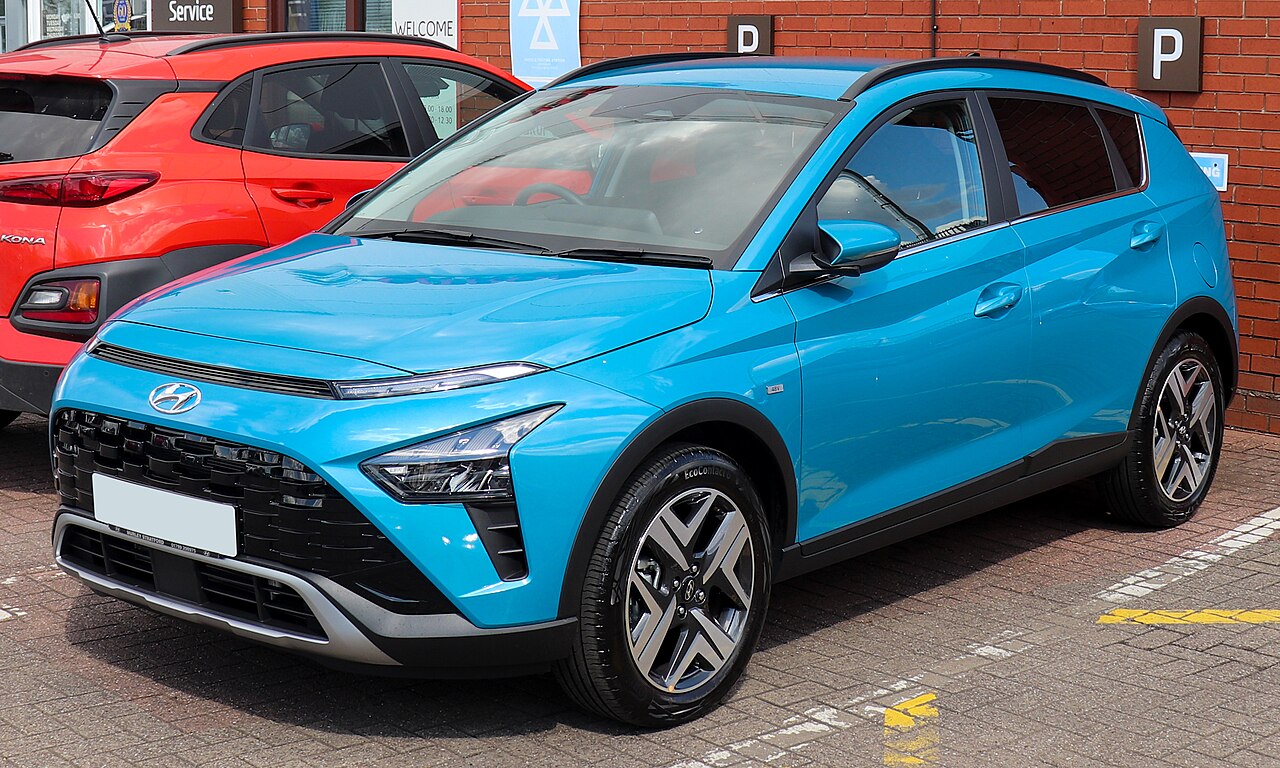
Maruti Suzuki price increase is set to affect select models, with prices rising by up to Rs 20,000. This change is likely to impact many consumers looking to purchase these vehicles.
Overview of the Price Increase
Maruti Suzuki has recently announced a significant price increase across several of its car models, with the hike reaching up to Rs 20,000. This decision comes as part of the company’s strategy to manage rising costs and maintain profitability in a competitive market. The price increase will affect a range of popular models, making it essential for potential buyers to consider the updated pricing.
The company has not specified the exact models that will see the price hike, but it is expected to include a mix of compact cars and SUVs, which have been the backbone of Maruti Suzuki’s sales. Here are some key points regarding the price increase:
- Effective Date: The price hike will take effect from the next month.
- Reason for Increase: The rise in input costs and inflationary pressures have prompted this decision.
- Impact on Buyers: Customers interested in purchasing Maruti Suzuki vehicles should prepare for the new pricing structure.
As the Maruti Suzuki price increase takes effect, buyers are urged to assess their options and make informed decisions in light of these changes.
Impact on Consumers
The recent announcement by Maruti Suzuki regarding a price increase has left many consumers concerned about the impact on their budgets. With the price hike of up to Rs 20,000 on select models, potential buyers are now faced with a more significant financial commitment.
Consumers will need to consider several factors as they navigate this price increase:
- Budget Constraints: Many families may need to reassess their budgets to accommodate the increased costs associated with purchasing a new vehicle.
- Financing Options: With higher prices, individuals might explore various financing options to manage the increased payments effectively.
- Market Alternatives: Some prospective buyers may choose to look at competing brands that may not have implemented similar price increases, seeking better value for their money.
- Long-term Value: Consumers are urged to consider the long-term value of Maruti Suzuki models, which are known for their reliability and resale value, despite the recent hike.
Ultimately, the Maruti Suzuki price increase may lead to shifts in consumer preferences, as buyers adapt to the changing landscape of automobile pricing.
List of Affected Models
As part of the recent decision to implement a price hike, Maruti Suzuki has announced a list of affected models that will see an increase in their prices by up to Rs 20,000. The move comes in response to rising costs and aims to maintain the quality of their vehicles. Below is a detailed list of the models impacted by the Maruti Suzuki price increase:
- Maruti Suzuki Alto – Popular entry-level hatchback
- Maruti Suzuki Swift – A favorite among compact car enthusiasts
- Maruti Suzuki Baleno – Known for its spacious interior and features
- Maruti Suzuki Dzire – A sedan that combines style and efficiency
- Maruti Suzuki Vitara Brezza – A compact SUV with a robust design
- Maruti Suzuki Ertiga – A versatile MPV ideal for families
- Maruti Suzuki S-Cross – A crossover that blends style and practicality
Consumers considering the purchase of these models should keep the impending price increase in mind, as it could impact their budget and decision-making process.
Reasons Behind the Hike
The recent price increase by Maruti Suzuki has sparked discussions among consumers and industry experts alike. Several factors have contributed to this decision, which is expected to affect various models in their lineup.
One of the primary reasons behind the hike is the rising costs of raw materials. Inflation in the global market has led to increased prices for essential components, making it challenging for manufacturers to maintain previous pricing structures. Additionally, the introduction of stricter emission norms has necessitated investments in technology and production adjustments, further driving up costs.
Another significant factor is the company’s commitment to enhancing safety features and technology in its vehicles. As consumer preferences shift towards more advanced and safer cars, Maruti Suzuki is investing in new features to stay competitive in the market.
Moreover, the ongoing supply chain disruptions caused by global events have added to the operational challenges faced by the automaker. These factors combined have led to the strategic decision to implement a price increase, with the Maruti Suzuki price increase expected to affect models by up to Rs 20,000.
Market Response
The recent announcement regarding the Maruti Suzuki price increase has elicited varied reactions from the automotive market. Industry analysts suggest that the hike, which could reach up to Rs 20,000 for select models, may significantly influence consumer purchasing behavior.
Many potential buyers are expressing concerns about the affordability of Maruti Suzuki vehicles, especially in a market where competition is intensifying. Some experts believe that this price adjustment could lead to a shift towards alternative brands, particularly among budget-conscious consumers.
Additionally, dealerships are bracing for a potential dip in sales as customers reassess their priorities in light of the increased prices. A few dealers have reported a surge in inquiries about existing inventory, as buyers seek to capitalize on lower prices before the new rates take effect.
On the flip side, some industry insiders argue that the price increase may also reflect the brand’s commitment to quality and innovation, positioning Maruti Suzuki as a more premium choice in the market. As the situation unfolds, stakeholders will be closely monitoring the effects of this Maruti Suzuki price increase on overall sales performance.
Comparison with Competitors
The recent Maruti Suzuki price increase has prompted many consumers to compare the company’s offerings with those of its competitors in the Indian automotive market. As Maruti Suzuki raises prices by up to Rs 20,000 on select models, potential buyers are looking at alternatives that may offer better value for money.
Several key competitors have also made headlines recently with their pricing strategies, making it essential for consumers to weigh their options:
- Tata Motors: Known for its competitive pricing and robust build quality, Tata has introduced new models that provide similar features at lower costs.
- Hyundai: With a reputation for innovation and customer satisfaction, Hyundai continues to attract buyers with its stylish designs and advanced technology.
- Kia: This emerging player offers a range of SUVs and hatchbacks that appeal to younger buyers, often at prices that undercut Maruti Suzuki’s models.
- Honda: Although slightly higher in price, Honda’s focus on quality and performance remains appealing to loyal customers.
As the market evolves, potential buyers must consider not just the price, but also the overall value and features each brand provides.
Future Projections
As the automotive market continues to evolve, the recent Maruti Suzuki price increase has raised questions about future trends in pricing and consumer behavior. Industry experts predict that this move may set a precedent for other manufacturers, potentially leading to a ripple effect across the sector.
Analysts suggest that the price hike could encourage consumers to shift towards electric and hybrid models, which may offer better long-term value despite the initial costs. This trend is likely to shape the landscape of vehicle preferences in the coming months, as buyers consider fuel efficiency and sustainability alongside price.
Additionally, the competition among automakers is expected to intensify. Companies may need to reevaluate their pricing strategies to remain appealing to consumers who are now more price-sensitive due to rising costs across many sectors.
Furthermore, the introduction of new models with advanced features could align with the ongoing demand for innovation, potentially mitigating the effects of the Maruti Suzuki price increase. In conclusion, the automotive industry is on the brink of change as it adapts to these new challenges and consumer expectations.
Conclusion and Recommendations
In conclusion, the recent Maruti Suzuki price increase is set to have a significant impact on both consumers and the automotive market. With hikes of up to Rs 20,000 on select models, potential buyers may need to reassess their budgets and expectations when considering a new vehicle.
Consumers are advised to explore various financing options and stay informed about any promotional offers from dealerships that could mitigate the effects of this price increase. Additionally, it may be beneficial to compare the updated prices with those of competitors to ensure they are making an informed decision.
Industry analysts suggest that Maruti Suzuki should focus on enhancing customer value through improved features or add-ons in their vehicles. This approach could help maintain customer loyalty, despite the price adjustments.
Moreover, keeping an eye on market trends and consumer feedback will be crucial as the company navigates this price hike. By staying adaptable and responsive, Maruti Suzuki can continue to thrive in a competitive landscape while managing the implications of their recent price increase.
Recommendations:
- Evaluate financing options.
- Compare prices with competitors.
- Look for promotions and discounts.
The recent Maruti Suzuki price increase has left many consumers reconsidering their purchasing decisions. With a price hike of up to Rs 20,000, the Maruti Suzuki price increase is expected to impact sales in the coming months.
via Wikimedia Commons