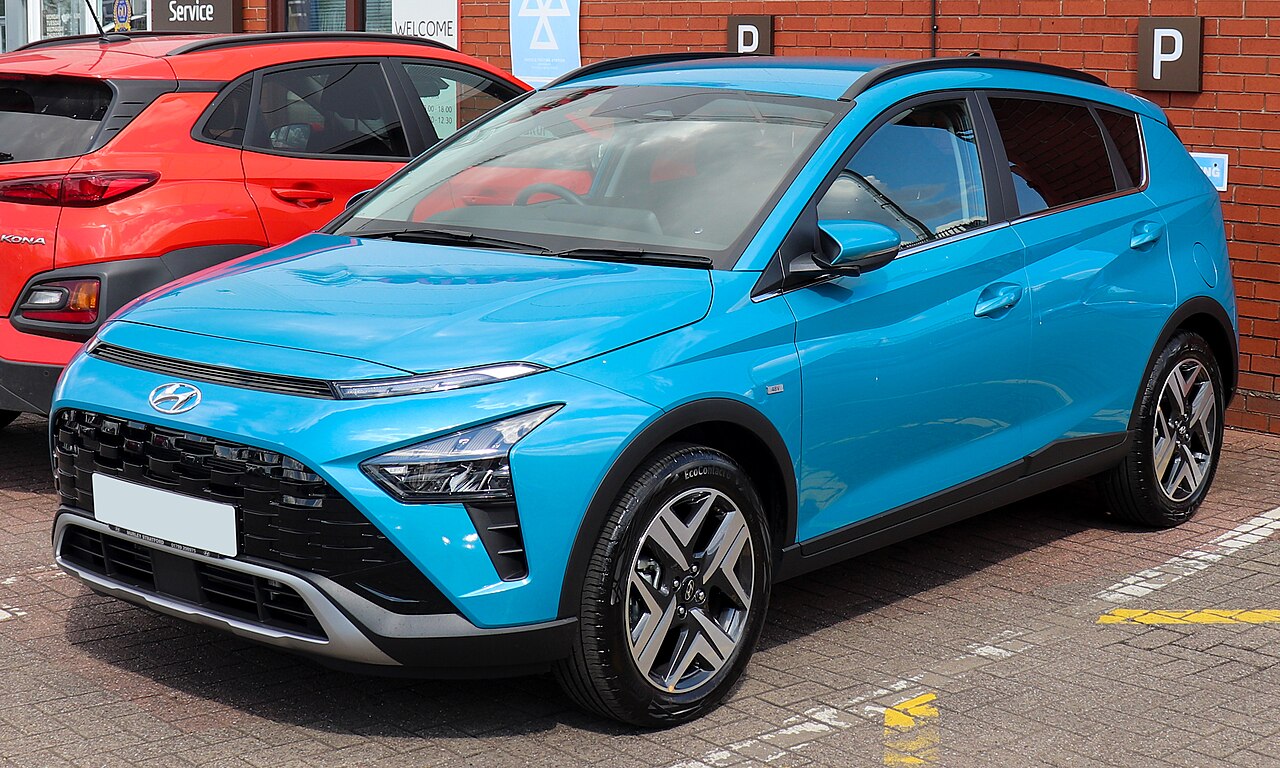
Ethanol cars launch is on the horizon, with Gadkari announcing a possible October debut. This shift could significantly impact fuel costs and environmental sustainability.
What are ethanol cars?
Ethanol cars are vehicles powered by an engine that uses ethanol as a fuel source. Ethanol is a renewable biofuel made from plant materials, primarily sugarcane, corn, or other starches. These vehicles can either run on pure ethanol or a blend of gasoline and ethanol, commonly known as E10, which consists of 10% ethanol and 90% gasoline.
The introduction of ethanol cars is gaining momentum, especially with the upcoming ethanol cars launch that has garnered significant attention. This initiative is part of a broader effort to reduce carbon emissions and promote sustainable fuel alternatives. The advantage of using ethanol lies in its potential to lower greenhouse gas emissions compared to traditional fossil fuels.
Some key benefits of ethanol cars include:
- Environmental Impact: Ethanol burns cleaner than gasoline, leading to reduced air pollution.
- Energy Independence: Utilizing locally sourced materials for fuel can decrease reliance on imported oil.
- Economic Growth: The production of ethanol can stimulate local agriculture and create jobs.
As the ethanol cars launch approaches, many are wondering if now is the right time to make the switch to this eco-friendly alternative. With ongoing advancements in technology and fuel efficiency, ethanol cars may soon become a viable option for consumers looking to reduce their carbon footprint.
Impact on fuel prices
The launch of ethanol cars is anticipated to have a significant impact on fuel prices. As the government pushes for 100% ethanol vehicles, the expected reduction in fuel costs could be a game changer for consumers.
According to Union Minister Nitin Gadkari, the introduction of these vehicles could bring the cost of fuel down to as low as Rs 25 per liter. This dramatic decrease in prices is mainly due to the lower production costs associated with ethanol, which is derived from agricultural products. The shift towards ethanol cars could also alleviate some of the volatility associated with crude oil prices, which have historically impacted consumer fuel expenses.
Moreover, the move to ethanol is aligned with broader environmental goals, potentially leading to a decrease in carbon emissions. As such, consumers may not only benefit financially but could also contribute to a more sustainable future.
However, the effectiveness of this transition will depend on several factors:
- Availability of ethanol fuel stations
- Consumer acceptance of ethanol vehicles
- Government policies that support biofuel use
As the ethanol cars launch approaches, many are left wondering if now is the right time to switch, weighing the potential benefits against the current market dynamics.
Government’s role in ethanol transition
The government’s involvement in the transition to ethanol cars is pivotal for its success. With rising concerns over environmental sustainability and fuel prices, the administration is taking significant steps to promote the use of ethanol as an alternative fuel. This initiative aligns with global trends aiming for reduced carbon emissions and increased energy independence.
Key actions by the government include:
- Incentives for Manufacturers: Financial incentives are being offered to automakers to develop and produce ethanol vehicles. This support aims to stimulate innovation and production capacity.
- Infrastructure Development: The establishment of refueling stations for ethanol is crucial. The government plans to invest in infrastructure to ensure that consumers have easy access to ethanol fuel.
- Public Awareness Campaigns: Educating the public about the benefits of ethanol cars is essential. Campaigns are being launched to inform citizens about the cost-effectiveness and environmental advantages of switching to ethanol vehicles.
Additionally, the government’s commitment to achieving a target of 100% ethanol cars could reshape the automotive landscape. As stated by Union Minister Nitin Gadkari, the anticipated launch in October represents a significant milestone. This transition not only aims to lower fuel costs but also encourages sustainable practices in the automotive sector.
Challenges of ethanol cars
The launch of ethanol cars presents a promising alternative to traditional fuel vehicles, but several challenges must be addressed to ensure their successful adoption.
- Infrastructure Development: One of the major challenges is the lack of adequate refueling infrastructure. While urban areas may see some progress, rural regions often lack access to ethanol stations, making it difficult for potential buyers to transition.
- Consumer Awareness: Many consumers remain unaware of the benefits of ethanol cars. Educating the public on how these vehicles operate and their environmental advantages is crucial for boosting sales.
- Cost of Transition: Although ethanol cars promise lower fuel costs, the initial purchase price can be higher than conventional vehicles. This can deter consumers from making the switch, despite potential long-term savings.
- Performance Concerns: Some drivers express concerns about the performance and reliability of ethanol-powered vehicles compared to traditional gasoline engines. Addressing these perceptions is essential for encouraging adoption.
- Regulatory Framework: A clear regulatory framework is needed to support the ethanol market. This includes incentives for manufacturers and consumers to stimulate growth in the sector.
Despite these challenges, the ethanol cars launch could mark a significant step towards sustainable transportation if these issues are effectively managed.
Public perception of ethanol vehicles
The launch of ethanol cars has sparked a diverse range of reactions among the public, reflecting both enthusiasm and skepticism. Many consumers are curious about the potential benefits of switching to ethanol vehicles, particularly in light of recent discussions around sustainable fuel options.
Proponents of ethanol cars highlight several advantages:
- Environmental benefits: Ethanol is seen as a cleaner alternative to traditional fossil fuels, potentially reducing greenhouse gas emissions.
- Cost-effective: With the possibility of lower fuel prices, such as a reported Rs 25 per liter, many believe that ethanol cars could provide significant savings in the long run.
- Energy independence: Utilizing locally produced ethanol can reduce a country’s reliance on imported oil, creating a more self-sufficient energy landscape.
However, there are challenges that contribute to public hesitation:
- Performance concerns: Some consumers worry about the efficiency and power of ethanol engines compared to conventional vehicles.
- Infrastructure limitations: The availability of ethanol refueling stations is still limited in many regions, making it less convenient for potential users.
- Awareness and education: A lack of information about the benefits and operation of ethanol cars may lead to reluctance in adopting this new technology.
As the ethanol cars launch approaches, it remains to be seen how public perception will evolve and influence the transition to greener automotive solutions.
Future of sustainable transportation
The future of sustainable transportation is increasingly tied to the development and adoption of alternative fuel sources, with ethanol cars at the forefront of this transition. As the global community grapples with climate change, the need for cleaner and more efficient vehicles has never been more pressing.
One of the most significant advantages of ethanol cars is their potential to reduce greenhouse gas emissions compared to traditional gasoline vehicles. Ethanol, derived from renewable sources such as corn and sugarcane, offers a sustainable alternative that can contribute to energy security and decrease reliance on fossil fuels.
With the anticipated ethanol cars launch in October, there are hopes that this shift will encourage consumers to consider more environmentally friendly options. However, the success of this initiative hinges on several factors:
- Infrastructure Development: Expanding the availability of ethanol fueling stations is crucial for widespread adoption.
- Consumer Awareness: Educating the public about the benefits and functionality of ethanol vehicles will play a pivotal role in acceptance.
- Technological Advancements: Continued innovation in ethanol engine technology can enhance vehicle performance and efficiency.
As the ethanol cars launch approaches, stakeholders must work collaboratively to address these challenges and ensure that this promising alternative fuel can revolutionize the automotive landscape.
Comparing ethanol cars to traditional vehicles
As the launch of ethanol cars approaches, many are weighing their benefits against traditional vehicles. Ethanol, a renewable fuel derived from plant materials, offers several advantages that could make it an appealing choice for consumers.
One of the primary benefits of ethanol cars is their potential to reduce greenhouse gas emissions. Ethanol burns cleaner than gasoline, which can lead to a significant decrease in air pollution. Additionally, because ethanol is produced domestically, it can help reduce dependence on imported oil.
However, it’s essential to consider some challenges. Ethanol has a lower energy content compared to gasoline, which may result in reduced fuel efficiency. Drivers might notice that they need to fill up more often, which could be a deterrent for some potential buyers.
Moreover, the infrastructure for ethanol fueling stations is still developing. While many regions are beginning to adapt, the availability of ethanol fuel can vary significantly by location.
In terms of cost, the anticipated launch of ethanol cars promises a potential reduction in fuel prices, as indicated by recent statements from government officials. This could make the transition more appealing for budget-conscious consumers.
Ultimately, as the launch of ethanol cars draws near, the decision to switch will depend on individual priorities, including environmental impact, cost, and convenience.
The ethanol cars launch has sparked a renewed debate about the sustainability of alternative fuels. As consumers weigh their options, the timing of the ethanol cars launch could significantly influence their decision-making process.
By jurvetson via Openverse