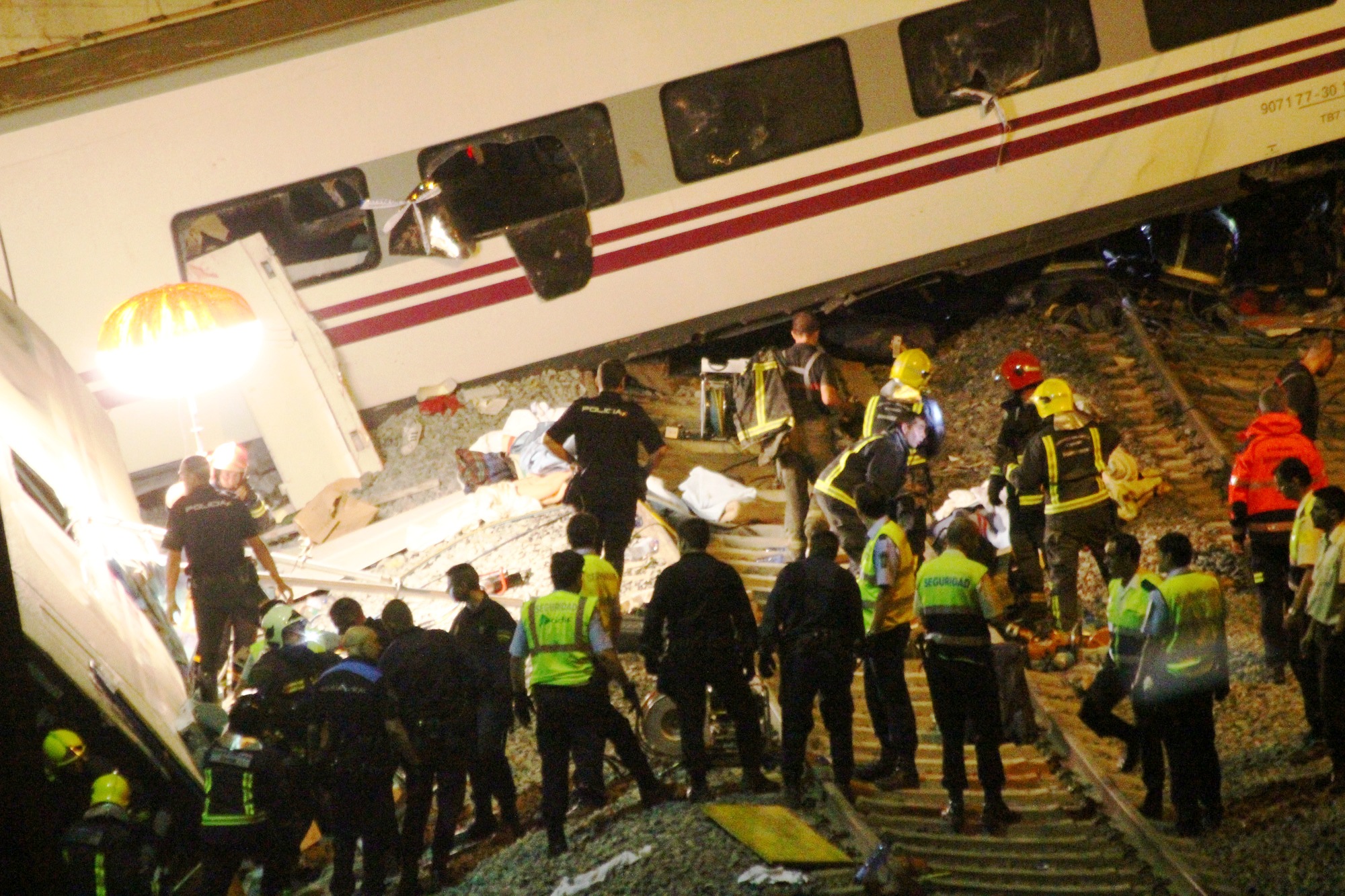
The Spain train crash has resulted in at least 64 fatalities, with witnesses describing devastating scenes that unfolded during the incident.
Overview of the Spain train crash
On a tragic day in Spain, a devastating train crash occurred, resulting in the loss of at least 64 lives. The incident has been described as one of the worst train disasters in recent history, with profound and lasting consequences for the affected families and communities.
Witnesses have recounted harrowing scenes as emergency services rushed to the site of the wreckage. Many reported the sound of twisted metal and anguished cries, highlighting the chaos that followed the collision. In addition to the fatalities, numerous passengers sustained serious injuries, adding to the urgency of the rescue operation.
The aftermath of the Spain train crash has prompted calls for a thorough investigation into the causes, with authorities seeking to ensure that such a tragedy is not repeated. As the nation mourns, support for the victims’ families is at the forefront of community efforts.
Witness accounts from the scene
Witnesses to the Spain train crash described harrowing scenes as they rushed to aid the injured. Many recounted moments of confusion and chaos, with the sound of twisted metal echoing through the air. One witness, María González, shared her experience: “I heard a loud bang, and everything just fell apart. People were screaming for help.”
Others reported seeing passengers trapped in the wreckage, prompting immediate efforts to rescue them. Javier Ruiz, another eyewitness, stated, “It was surreal. You never expect to see something like this in real life.” Emergency services arrived swiftly, but the scale of the disaster made it challenging to provide assistance to everyone in need.
As details of the incident unfold, the tragic loss of life continues to resonate with those who witnessed the aftermath of the Spain train crash. The community is now in mourning, reflecting on the devastating impact of this catastrophe.
Emergency services response
Emergency services responded swiftly to the Spain train crash, deploying over 200 personnel to the scene. Within minutes of the incident, first responders arrived to assess the situation and assist those injured. Eyewitnesses reported chaos as emergency crews worked to rescue trapped passengers from the wreckage.
Local hospitals were put on high alert, with medical teams prepared to receive casualties. Many victims suffered from severe injuries, leading to a coordinated effort among multiple ambulance services to transport them swiftly to medical facilities.
In addition to medical personnel, firefighters and specialized rescue teams were on-site, using heavy machinery to extricate individuals caught inside the train cars. The prompt actions of emergency services were crucial in stabilizing the situation amid the devastation caused by the train crash, which has already claimed the lives of at least 64 individuals.
Government reaction and safety measures
In the wake of the tragic Spain train crash, government officials have vowed to implement stricter safety measures to prevent future disasters. Prime Minister Maria Gonzalez expressed her condolences to the families affected and called for a thorough investigation into the incident. “We must ensure that our rail systems are safe for all passengers,” she stated during a press conference.
In response to the crash, the government plans to:
- Review existing safety protocols for train operations across the country.
- Invest in advanced technology to monitor train speeds and track conditions.
- Conduct regular safety drills for emergency responders to enhance their preparedness.
As officials grapple with the aftermath of the Spain train crash, the focus remains on preventing such tragedies in the future.
Historical context of train safety in Spain
The historical context of train safety in Spain highlights a complex relationship between infrastructure development and safety regulations. Over the past few decades, Spain has made significant advancements in its railway system, aiming to modernize and improve safety standards. However, incidents such as the recent Spain train crash remind us of the ongoing challenges faced in ensuring passenger safety.
In the early 2000s, Spain experienced a series of train accidents that prompted the government to implement stricter safety protocols. Key measures included:
- Upgrading signaling systems
- Investing in new technologies
- Conducting regular safety audits
Despite these efforts, the devastating consequences of the latest crash reveal that continuous improvements are necessary to prevent future tragedies and protect lives.
Impact on local communities
The recent Spain train crash has left a profound impact on local communities, many of whom are grappling with the loss of loved ones and the trauma experienced during the incident. Families affected by the tragedy are receiving support from local organizations, but the emotional scars run deep.
In the wake of the crash, several community meetings have been organized to discuss grief and healing processes. Local leaders emphasize the importance of coming together in such trying times, stating:
- Support Networks: Establishing support groups for families and survivors.
- Memorial Services: Planning ceremonies to honor the victims.
- Community Resilience: Encouraging unity and collective healing efforts.
The repercussions of the Spain train crash will be felt for years, as communities work to navigate the aftermath of this devastating event.
Future of train travel safety
The tragic Spain train crash has raised urgent questions about the future of train travel safety across the nation. As investigations continue, experts are emphasizing the need for enhanced safety protocols to prevent similar incidents in the future.
Key measures being discussed include:
- Upgrading Infrastructure: Many railways require modernization to ensure they meet current safety standards.
- Improving Training: Comprehensive training programs for conductors and staff can significantly reduce human error.
- Implementing Advanced Technology: The adoption of automated systems could enhance monitoring and improve emergency response.
As Spain grapples with the repercussions of this devastating crash, there is a collective push towards creating a safer rail environment. The lessons learned from this incident could be pivotal in shaping future policies and practices in train travel safety.
By Contando Estrelas from Vigo, España / Spain via Openverse