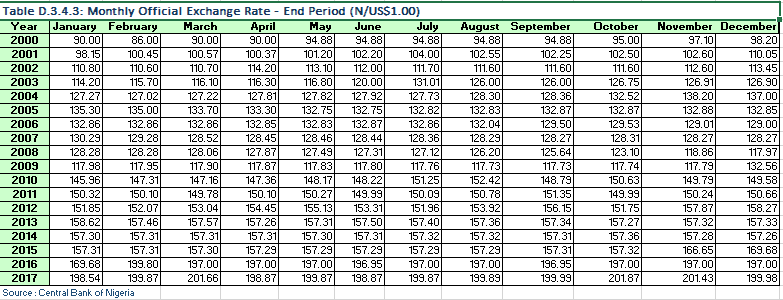
Dollar to Naira exchange rate today reveals important insights for those engaged in currency trading and economic planning.
Current Dollar to Naira Exchange Rate
The current Dollar to Naira exchange rate remains a critical point of interest for many individuals and businesses alike. As of November 2, 2026, the exchange rate reflects ongoing economic trends and fluctuations in the global market.
Today, the official exchange rate stands at approximately ₦850 per $1, while the parallel market presents a slightly higher rate of around ₦870 per dollar. This difference highlights the disparities between official and unofficial channels for currency exchange.
Several factors contribute to the current Dollar to Naira exchange rate, including:
- Inflation rates: Nigeria has experienced rising inflation, which affects the purchasing power of the Naira.
- Foreign reserves: The level of Nigeria’s foreign reserves impacts the Central Bank’s ability to stabilize the Naira.
- Oil prices: As a major oil exporter, fluctuations in global oil prices significantly influence the Nigerian economy and its currency value.
- Government policies: Recent monetary policies aimed at controlling inflation and stabilizing the Naira have also played a crucial role.
As the situation evolves, investors and consumers are advised to stay informed about the latest developments in the Dollar to Naira exchange rate to make sound financial decisions.
Historical Trends in Currency Exchange
The historical trends in the dollar to Naira exchange rate provide valuable insights into the fluctuations and patterns that have characterized this important economic indicator. Over the years, various factors have influenced the exchange rate, including inflation rates, political stability, and changes in oil prices, which is significant for Nigeria’s economy.
In the early 2000s, the dollar to Naira exchange rate was relatively stable, with the Naira maintaining a stronger position against the dollar. However, as Nigeria faced economic challenges, including a decline in oil revenue, the value of the Naira began to depreciate significantly.
Key events that have impacted the dollar to Naira exchange rate include:
- The 2014 Oil Price Crash: This event led to a dramatic decline in Nigeria’s foreign reserves, causing the Naira to weaken against the dollar.
- Policy Changes: The Central Bank of Nigeria’s monetary policies, including currency devaluation, have directly affected exchange rate trends.
- Global Economic Factors: Changes in the US economy and interest rates also play a crucial role in the dollar to Naira exchange rate, influencing investment flows and currency valuation.
Understanding these historical trends is essential for businesses and individuals engaged in foreign exchange, as they navigate the complexities of international trade and investment in today’s economic landscape.
Factors Influencing the Exchange Rate
The Dollar to Naira exchange rate is influenced by a multitude of factors that affect currency valuation and trading dynamics. Understanding these factors can provide insight into the current market trends and future projections.
- Inflation Rates: The rate of inflation in Nigeria compared to the United States plays a crucial role. Higher inflation in Nigeria typically devalues the Naira against the Dollar, as purchasing power diminishes.
- Interest Rates: The interest rates set by the Central Bank of Nigeria greatly influence the exchange rate. Higher interest rates offer lenders a better return relative to other countries, attracting foreign capital and increasing the demand for the Naira.
- Political Stability: Political events and stability can greatly impact investor confidence. A stable political environment tends to strengthen the Naira, while uncertainty can lead to depreciation.
- Economic Performance: Indicators of economic performance, such as GDP growth, affect the attractiveness of the Naira. Strong economic performance can lead to a stronger exchange rate.
- Global Market Trends: Changes in global commodity prices, especially oil, directly impact Nigeria’s economy and the Naira’s value, given Nigeria’s reliance on oil exports.
As these factors interplay, they shape the Dollar to Naira exchange rate, making it essential for investors and consumers to stay informed.
How to Trade Currency Effectively
Effectively trading currency, particularly the Dollar to Naira exchange rate, requires a solid understanding of both market dynamics and personal strategy. Here are some essential tips for navigating the currency trading landscape:
- Stay Informed: Regularly monitor financial news and updates related to the Dollar to Naira exchange rate. Economic reports, political events, and global market trends can significantly impact currency values.
- Use Reliable Tools: Utilize trading platforms and tools that provide real-time data on currency fluctuations. This information is crucial for making informed decisions.
- Diversify Your Portfolio: Consider trading in multiple currency pairs. This strategy can help mitigate risks associated with trading a single currency.
- Set Clear Goals: Define your trading objectives, such as short-term gains or long-term investments. Having clear goals will guide your trading decisions.
- Practice Risk Management: Implement strategies to protect your investments, such as setting stop-loss orders and not investing more than you can afford to lose.
- Learn from Experience: Keep a trading journal to reflect on your trades and strategies. Analyzing past decisions can provide valuable insights for future trades.
By following these guidelines, traders can enhance their ability to navigate the complexities of the market and take advantage of fluctuations in the Dollar to Naira exchange rate.
Impact on Nigerian Economy
The dollar to naira exchange rate continues to have significant implications for the Nigerian economy, affecting various sectors and influencing the daily lives of citizens. With the fluctuations in this exchange rate, the purchasing power of the naira has been a growing concern for many households and businesses alike.
One critical area impacted by the exchange rate is the import sector. As the naira depreciates against the dollar, the cost of imported goods rises, leading to higher prices for consumers. This inflationary pressure can strain family budgets and reduce disposable income, particularly for those reliant on imported food and essential goods.
Moreover, local manufacturers face increased costs for raw materials, which are often priced in dollars. This can limit production capabilities and lead to reduced competitiveness in both local and international markets. Consequently, many businesses may be forced to pass these costs on to consumers, further exacerbating inflation.
The exchange rate dynamics also play a vital role in attracting foreign investments. A stable dollar to naira exchange rate can enhance investor confidence, while unpredictability may deter potential investors, ultimately affecting economic growth.
In summary, the ongoing fluctuations in the dollar to naira exchange rate create a ripple effect throughout the economy, influencing everything from consumer prices to business operations and investment opportunities.
Expert Predictions for Future Rates
As the Dollar to Naira exchange rate continues to fluctuate, experts offer insights into what might lie ahead for this critical financial indicator. Analysts suggest that various economic factors and geopolitical events will play a significant role in shaping future rates.
One of the primary considerations is the projected economic performance of both the United States and Nigeria. Dr. Sarah Okafor, an economist at the Nigerian Institute of Economic Studies, states that “if the U.S. economy maintains its strength, we could see further pressure on the Naira.” She emphasizes that the Federal Reserve’s policies will be pivotal in determining the direction of the exchange rate.
Additionally, the fluctuations in global oil prices are expected to impact Nigeria’s economy significantly. Given that oil is a major export for Nigeria, any dip in prices could weaken the Naira against the Dollar. Mr. James Oluwaseun, a financial analyst, noted that “the government’s efforts to diversify the economy away from oil dependency will be crucial in stabilizing the Naira.”
Furthermore, the ongoing foreign exchange policies implemented by the Central Bank of Nigeria are likely to influence the market dynamics. As these factors converge, the Dollar to Naira exchange rate remains a topic of keen interest for traders and investors alike.
Advice for Consumers and Businesses
As the Dollar to Naira exchange rate continues to fluctuate, consumers and businesses must adapt their strategies to navigate the current economic landscape. Here are some key points to consider:
- Monitor Exchange Rates: Regularly check the exchange rate to make informed decisions. Use reliable financial news sources or currency converter apps for real-time updates.
- Plan Purchases Wisely: If you anticipate needing foreign currency, consider purchasing it when the rate is favorable. This can help mitigate losses from unfavorable shifts.
- Consider Bulk Transactions: For businesses, consolidating purchases can reduce the impact of exchange rate fluctuations. Bulk buying may also provide better rates from suppliers.
- Hedge Against Loss: Explore financial instruments that allow you to hedge against currency risk. Options and forward contracts can provide some security against adverse movements in the dollar to naira exchange rate.
- Engage Financial Advisors: Consult with financial experts who understand the market dynamics. Their insights can guide strategic decisions that protect your interests.
By staying informed and proactive, both consumers and businesses can better navigate the complexities of currency exchange and its effects on their financial health.
By Central Bank of Nigeria via Openverse
Sources
You might also like
Cancer Drug Import: The Right Way to Access Treatment · Antimicrobial Resistance News: What Are the Best Solutions? · Assam Eviction Drive: The Real Impact on 550 Families

