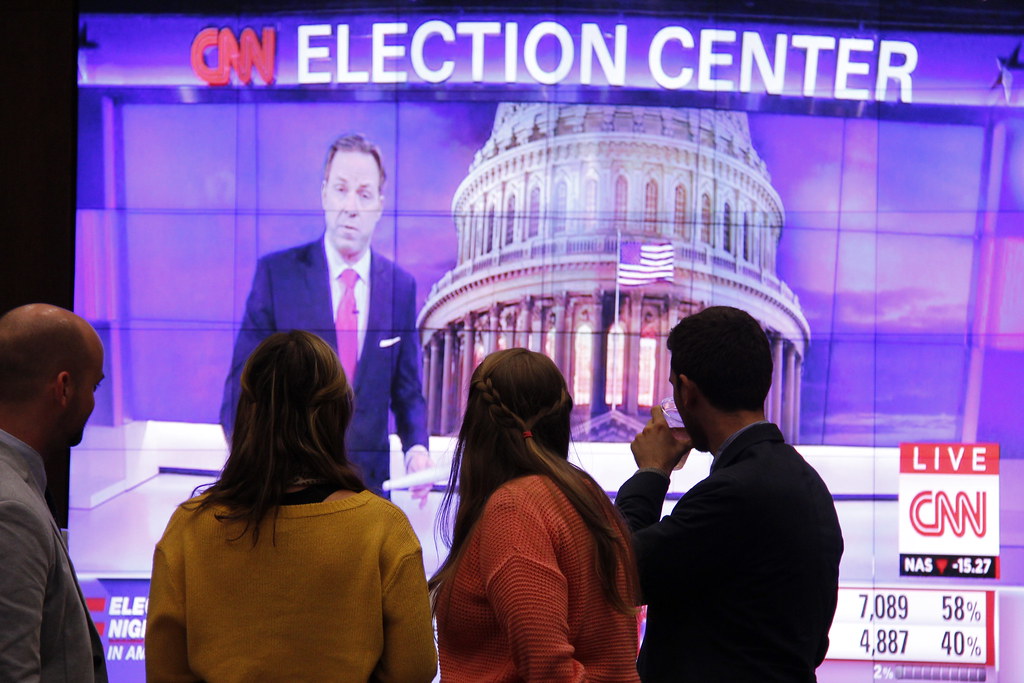
Midterm election results are being closely monitored in Southeast Texas as polls have closed. Voters are eager to learn about the outcomes and implications for local and national politics.
Current Midterm Election Results
The latest midterm election results are coming in from Southeast Texas as polls have officially closed. Voters have turned out in significant numbers, and early reports indicate a competitive race across various districts.
In the 14th congressional district, incumbent representative Randy Weber appears to be leading against challenger Laura Jones, with early returns showing him ahead by a narrow margin. Meanwhile, in the 36th district, a heated contest is unfolding between John Culberson and Sharon McCarthy, with the latest tallies showing a close race that could go either way.
Additional updates reveal key local propositions that are also on the ballot:
- Proposition A: Funding for public schools
- Proposition B: Infrastructure improvements
- Proposition C: Environmental protection measures
As the night progresses, the stakes are high, and the impact of the midterm election results will be closely analyzed by political experts and enthusiasts alike. Stay tuned for more updates as additional data comes in.
Analysis of Voter Turnout
The midterm election results are not only about candidates but also reflect the dynamics of voter turnout across various demographics. Analysis shows that voter engagement has seen significant fluctuations compared to previous elections.
Key factors influencing turnout include:
- Demographics: Younger voters have increasingly mobilized, motivated by issues like climate change and social justice.
- Political Climate: The polarized environment has prompted more individuals to participate, as the stakes feel higher than ever.
- Access to Voting: Changes in voting laws and the accessibility of polling places have impacted turnout rates, particularly in marginalized communities.
Preliminary reports indicate that turnout in urban areas has surged, contrasting with historically lower participation in rural regions. As we analyze the midterm election results, it becomes evident that understanding these patterns is crucial for future electoral strategies.
Election officials are closely monitoring these trends to ensure that all voices are heard and that the democratic process remains robust. As more data comes in, the implications of voter turnout will become clearer, shaping political landscapes for years to come.
Key Races to Watch
As the midterm election results continue to unfold, several key races are drawing significant attention across the country. Voter engagement remains high, and experts are closely monitoring these critical contests that could shape the political landscape for years to come.
- Texas Senate Race: Incumbent Senator faces a tough challenge from a well-funded opponent, with early returns indicating a tight race. This contest is seen as a bellwether for future elections in the state.
- Florida Governor’s Race: The governor’s race in Florida is also capturing national interest, with both candidates focusing on issues such as education and healthcare. Analysts predict it will be a closely fought battle.
- California House Districts: Several House districts in California are considered toss-ups, potentially flipping control of the House. Voter turnout in these areas could be pivotal in determining the midterm election results.
- New York City Mayoral Election: In the highly watched mayoral election, candidates are vying for support on critical urban issues, making it a key race to follow.
As results come in, these races are set to be a focal point for political analysts and voters alike.
Impact of Results on Local Politics
The midterm election results have significant implications for local politics across various regions. As communities digest the outcomes, local leaders are preparing to navigate a new political landscape shaped by voter preferences. The shifts observed in several key districts indicate a potential realignment of priorities and policies moving forward.
Several factors will determine the impact of these results, including:
- Changes in Leadership: Newly elected officials may bring fresh perspectives that could alter existing agendas.
- Policy Initiatives: Local governments may prioritize specific issues such as education, healthcare, and infrastructure based on the election outcomes.
- Community Engagement: Increased voter turnout suggests that constituents are eager to engage with their representatives, encouraging a more responsive local government.
Additionally, the midterm election results could influence party dynamics within local councils, affecting coalition-building efforts. Both major political parties will need to assess their strategies and outreach efforts to align with the evolving desires of their constituents.
As local leaders respond to these developments, the focus will remain on how these results will shape policies and community initiatives in the months ahead.
What Voters Are Saying
As the dust settles from the recent midterm election results, voters across the nation are expressing their thoughts on social media and in various forums. Many are reflecting on the significance of their choices and the implications for future political landscapes.
A common sentiment among voters is the desire for change. Many are eager to see how the newly elected officials will address pressing issues such as healthcare, education, and climate change. One voter from Southeast Texas stated, “I hope the midterm election results lead to real progress on the issues that matter to us.”
However, there are also mixed feelings regarding the outcomes. Some voters are concerned about an increase in division, fearing that polarized opinions may hinder bipartisan efforts. “I just want our leaders to work together for the good of the community,” expressed a concerned resident.
Additionally, many communities are discussing local impacts, particularly in light of the key races that were highlighted during the campaigns. Voter engagement appears to be higher than in previous elections, with discussions centered on how to maintain momentum beyond the midterms.
Future Implications of Election Outcomes
The implications of the midterm election results extend far beyond the immediate outcomes, shaping the political landscape for years to come. As voters head to the polls, the decisions they make today will influence policy directions and party dynamics well into the future.
One major area of impact is the composition of Congress. The balance of power can shift dramatically based on these midterm election results, affecting legislation related to critical issues such as healthcare, education, and infrastructure. Additionally, the results may set the stage for the upcoming presidential election, influencing candidates’ strategies and party platforms.
Moreover, local races often have ripple effects on state governance. Newly elected officials may introduce reforms that resonate with constituents, impacting everything from public safety to economic development.
Political analysts emphasize the importance of understanding these future implications, as they can guide both voters and politicians in navigating the complex post-election landscape. Key factors to watch include voter demographics and turnout trends, which provide insight into shifting priorities and attitudes among the electorate.
In summary, the midterm election results are not just a snapshot of today’s political climate but a predictor of tomorrow’s challenges and opportunities.
By US Embassy Canada via Openverse

